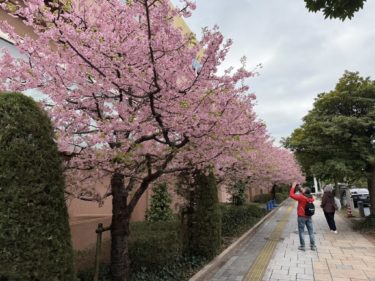
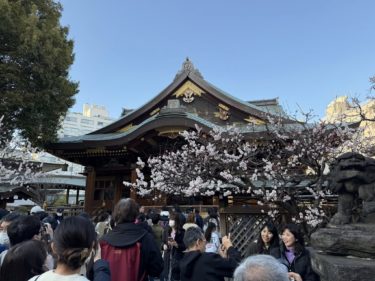
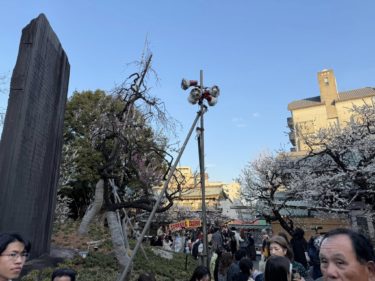
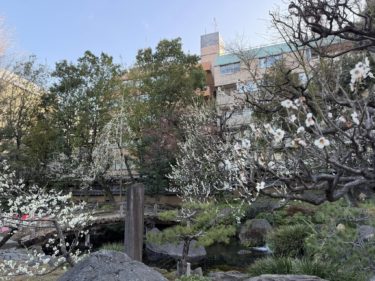
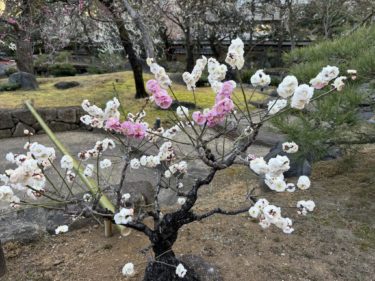
週末にクラシックコンサートを聴いた帰りに湯島天神に行ったら梅が咲いていました。空気はいまだ冴え冴えとして、春とは名のみの頃合い。しかし境内には、白梅が静かにほころび、ほのかな香を漂わせていました。
梅は、華やかさを競う花ではありません。
寒気の中にあって、ひと枝ごとに凛として立つ。その姿にこそ品格が宿ります。
僕はその光景に、ふと「哀感美」という言葉を思い出しました。103歳で7年前に亡くなった大正時代に生まれた祖母が女学生の時に書いた作文の題材だったのです。
哀感美とは、単なる悲愴ではありません。はかなさや弱さ、あるいは有限性を自覚したときに立ち上がる、美の一形式であります。
美は絶対的な概念ではなく、経験の中で成立するもの。固有の個性を備え、普遍的な共感を呼び、そして静かな快を伴う。
さらに言えば、利害や打算を超えた地点において感得されるものです。梅はまさにその象徴です。
未だ来ぬ春を予告しつつ、寒風に耐えて咲く。その姿は、盛りの絶頂ではなく、「これから」と「やがて」を内包した美であります。
日本人はしばしば桜に無常を重ねてきました。満開の瞬間に散りゆく潔さ。その構図は、平家物語 に描かれた平家の盛衰とも重なります。
武門の頂点に立った 平清盛 の一門は、あまりにも鮮やかに栄え、そして急速に滅びました。桜のような物語です。
しかし考えてみれば、平家にもまた「梅の時代」があったはずです。地方にあって力を蓄え、中央へと歩を進めるまでの忍耐の歳月。耐え、昇り、そして散る。哀感美は、散華の瞬間だけに宿るのではありません。むしろ、寒さの中で芽吹く時間にこそ、その萌芽はあるのです。
湯島天神の梅は、まだ満開ではありませんでした。けれど、その未だ尽きぬ余白が、かえって尊い。完成の直前にある緊張感。盛りを予感させる静謐。梅は春の始まりを告げ、桜は春の終わりを告げる。そのあいだを貫くものこそ、無常という時間の流れでしょう。境内を辞するとき、美とは、咲き誇ることにあるのではない。
限りある時間を自覚しつつ、なお咲くことにあるのだと。
祖母の作文の原文
樗牛は平家没落に対し少なからず哀感美を見出しぬ。されば哀感美とは何ぞや。美とは何ぞや。と云わんに、およそ美たるものは必ずや絶対的なものにあらずして、むしろ経験的なものなり。 かのトルストイの芸術論においてさえわずかに美学者の説を列挙せしにすぎず。されば美の経験的要素を考ふるは難事ならず。即ち第一に個性なり。つまりそのものの本質にして、そののもののそのものたる特徴を必要とすということなり。第二に普遍性なり。わずかに一人によってのみ美しとみとめらるるともそは真の美ならず。遍ねき人により美なりとみとめられるるこそ真の美なり。即ち前者は内容を云えるものにして後者はこれ形式を云えるなり。美はさらに快感をともなふ。この三者は常に美にそはざるべからざる要件なり。 ドイツの哲学者カントは美につきてかく云ひぬ。「美とは利欲打算を超越せる世界なり。」と。 古人またいわく、「美しきものは命短し」と、およそ若くして死せし人必ずや美人の名を与えられん。記事書きを哀れと思うが為なり。 かの田中王堂氏も人生は美しきが故に書く短しとかんぜられるのであるか、はかなきが故にかく美しとおもわるるのであるかと、疑問をなげられたり。 ベスタロッチの言にいわく「あざむかるるものはあざむくものよりも幸なり」と。 これ偏へに弱者に対するの哀感なり。弱者、弱者とならぶるの時必ずや弱者の強者よりうるはしと思はれん。一茶の「やせ蛙負けるな一茶これにあり」も亦然り。 されば樗牛の哀感美は如何に。「世にも哀れは平家とぞ云ふめる。まことにこの一門の盛衰を考ふれば心も言葉もなかなかに及ばざりけれ」とは樗牛巻頭の言葉なり。樗牛は何故にかく平家沒落に対し深刻なる哀感をそそりたりしか。 思ふに平家の一代はけに華やかなる極みなりとは云え僅かに二十年。情盛二十八歳にして安藝守に任せられてよりその六十八歳にして没するの時まで僅かに四十年。平時忠をして「平家にあらざれば人にあらず」とまで云はしめしをの極盛の時あまりに華やかなりし故か、平家は少年にしてほろびぬ。かく少年にしてほろびしことこそ平家滅亡に一入の美をそへし事実なりき。
祖母の作文の現代語訳(藤本訳)
平家の没落に、ある種の「美」を見いだす感性があります。栄華の絶頂から一気に崩れ落ちるその姿に、私たちはなぜか胸を打たれる。その感情を、ここでは「哀感美」と呼びたいと思います。
そもそも美とは何でしょうか。美は絶対的なものではなく、経験を通して感じられるものです。そこには三つの要素があるように思えます。
第一に「個性」。そのものがそのものであるゆえの独自性、本質の輝きです。
第二に「普遍性」。一部の人だけでなく、多くの人が美しいと感じる共有性です。
第三に「快感」。美は必ず心地よさ、あるいは胸を打つ感覚を伴います。
カントは、美を「利害を超えたもの」と述べました。損得を離れたところに生じる純粋な感動。それが美の条件だというのです。
では、なぜ「滅び」に美を感じるのでしょうか。
古来「美しきものは命短し」と言われます。若くして散る花、早世する才能、そして栄華ののちに急速に衰える一族。そこには「はかなさ」があります。永遠ではないからこそ、輝きは濃く、記憶に刻まれるのです。
平家の繁栄は、歴史の長い流れから見ればわずかな時間でした。
「平家にあらざれば人にあらず」とまで言わしめた絶頂の時代。しかしその華やかさが、あまりにも鮮烈であったからこそ、滅びもまた鮮烈だった。
長く衰えていくよりも、若くして崩れ落ちる。
その落差こそが、哀感を深め、そして美へと昇華させるのです。
弱きものに心を寄せる感情もまた、哀感美の源泉です。
滅びゆく者、敗れゆく者、力を失った存在に、私たちは不思議な優しさを抱く。それは単なる同情ではなく、「かつて輝いたもの」への敬意なのかもしれません。
平家の滅亡は、単なる政治史の一頁ではありません。それは「盛者必衰」という無常の法則を、最も華やかなかたちで示した象徴でした。滅びは悲劇です。
しかしその悲劇が、あまりにも純粋で、あまりにも急であるとき、そこには確かに一種の美が宿る。哀感美とは、無常を直視する勇気から生まれる感情なのかもしれません。
Plum Blossoms and the Beauty of Melancholy
On the way back from a classical concert over the weekend, I stopped by Yushima Tenjin and found that the plum trees were in bloom. The air was still sharp and brisk, a season only nominally called spring. Yet within the shrine grounds, white plum blossoms quietly unfurled, releasing a faint, delicate fragrance.
Plum blossoms do not compete in flamboyance.
In the cold, each branch stands tall and dignified. It is precisely this posture that carries elegance.
The scene reminded me of the phrase “aikan-bi”—the beauty of melancholic feeling. It was the theme of an essay my grandmother, born in the Taisho era and who passed away seven years ago at the age of 103, wrote as a schoolgirl.
Aikan-bi is not mere tragedy. It is a form of beauty that arises when one recognizes fragility, finitude, or transience.
Beauty is not an absolute concept; it emerges through experience. It possesses unique individuality, evokes universal empathy, and is accompanied by quiet delight. Moreover, it is perceived from a perspective beyond personal gain or calculation. Plum blossoms embody this perfectly.
They bloom while enduring cold winds, signaling the arrival of spring yet to come. Their beauty is not found in the peak of full bloom, but in the coexistence of “what is yet to come” and “what will eventually be.”
The Japanese have often associated cherry blossoms with impermanence: the purity of falling at the moment of full bloom. This imagery parallels the rise and fall of the Taira clan as described in The Tale of the Heike.
The Taira, led by Taira no Kiyomori, flourished spectacularly but fell quickly—like cherry blossoms, brilliant and fleeting.
Yet, if we reflect further, the Taira must also have experienced their own “plum season.” Years of patient cultivation in the provinces, slowly building strength before stepping onto the central stage. To endure, to rise, and to fall. Aikan-bi does not reside only in the moment of bloom or collapse; its seed lies in the quiet growth amid the cold.
The plum blossoms at Yushima Tenjin were not yet in full bloom. Yet their lingering potential, the unspent space, felt precious. There is tension just before completion, a quiet sense of anticipation. Plum blossoms announce the beginning of spring, cherry blossoms the end. The passage of impermanence threads them together.
When leaving the shrine, I realized that beauty is not about reaching full bloom.
It is about blooming despite the awareness of limited time.
My Grandmother’s Original Essay (Excerpts)
樗牛は平家没落に対し少なからず哀感美を見出しぬ。されば哀感美とは何ぞや。美とは何ぞや。と云わんに、およそ美たるものは必ずや絶対的なものにあらずして、むしろ経験的なものなり。 かのトルストイの芸術論においてさえわずかに美学者の説を列挙せしにすぎず。されば美の経験的要素を考ふるは難事ならず。即ち第一に個性なり。つまりそのものの本質にして、そののもののそのものたる特徴を必要とすということなり。第二に普遍性なり。わずかに一人によってのみ美しとみとめらるるともそは真の美ならず。遍ねき人により美なりとみとめられるるこそ真の美なり。即ち前者は内容を云えるものにして後者はこれ形式を云えるなり。美はさらに快感をともなふ。この三者は常に美にそはざるべからざる要件なり。 ドイツの哲学者カントは美につきてかく云ひぬ。「美とは利欲打算を超越せる世界なり。」と。 古人またいわく、「美しきものは命短し」と、およそ若くして死せし人必ずや美人の名を与えられん。記事書きを哀れと思うが為なり。 かの田中王堂氏も人生は美しきが故に書く短しとかんぜられるのであるか、はかなきが故にかく美しとおもわるるのであるかと、疑問をなげられたり。 ベスタロッチの言にいわく「あざむかるるものはあざむくものよりも幸なり」と。 これ偏へに弱者に対するの哀感なり。弱者、弱者とならぶるの時必ずや弱者の強者よりうるはしと思はれん。一茶の「やせ蛙負けるな一茶これにあり」も亦然り。 されば樗牛の哀感美は如何に。「世にも哀れは平家とぞ云ふめる。まことにこの一門の盛衰を考ふれば心も言葉もなかなかに及ばざりけれ」とは樗牛巻頭の言葉なり。樗牛は何故にかく平家沒落に対し深刻なる哀感をそそりたりしか。 思ふに平家の一代はけに華やかなる極みなりとは云え僅かに二十年。情盛二十八歳にして安藝守に任せられてよりその六十八歳にして没するの時まで僅かに四十年。平時忠をして「平家にあらざれば人にあらず」とまで云はしめしをの極盛の時あまりに華やかなりし故か、平家は少年にしてほろびぬ。かく少年にしてほろびしことこそ平家滅亡に一入の美をそへし事実なりき。
Modern Translation of My Grandmother’s Essay (Fujimoto)
There is a certain sensitivity in finding “beauty” in the fall of the Taira clan. We are moved by how swiftly a family can collapse from the height of prosperity. I call this feeling aikan-bi, the beauty of melancholic sentiment.
What is beauty? It is not absolute; it is perceived through experience. It seems to have three elements:
- Individuality – the unique essence that makes something what it is.
- Universality – the shared recognition that many people perceive it as beautiful.
- Pleasure – the sensation of delight or emotional impact.
Kant described beauty as “transcending self-interest and calculation,” a pure feeling arising beyond gain or loss.
Why, then, do we find beauty in collapse? The ancients said, “Beautiful things are short-lived.” Flowers that bloom briefly, talent that fades too soon, families that rise and fall rapidly—they possess a fleeting quality. It is precisely their impermanence that intensifies their brilliance and engraves them in memory.
The Taira’s prosperity, in historical terms, was brief. Their peak was so dazzling that their fall, too, was vivid and striking. To collapse young and suddenly is more poignant than a slow decline. That gap deepens melancholic sentiment and elevates it into beauty.
Compassion for the weak is also a source of aikan-bi. We feel a strange tenderness toward those who fall, who are defeated, or who lose power—not mere sympathy, but respect for what once shone.
The fall of the Taira is not just a page of political history. It is a symbol of impermanence, shown in its most brilliant form. The tragedy is pure. Yet when the tragedy is sudden and absolute, a certain beauty is undeniably present. Aikan-bi may be the emotion born from the courage to confront impermanence.