













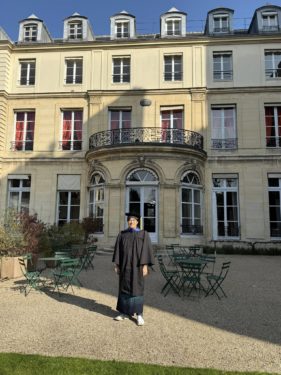
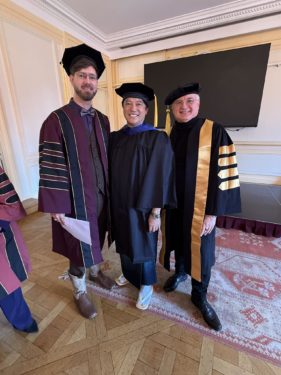
昨年の今日は、パリにてDBA(経営管理学博士・MBAの上級学位)の授与式でした。
https://takahirofujimoto.com/blog/blog/business-overseas/post_79579/
https://takahirofujimoto.com/blog/blog/business-overseas/post_79587/
https://takahirofujimoto.com/blog/blog/business-overseas/post_79593/

 藤本幸弘オフィシャルブログ
昨年の今日は、パリにてDBA(経営管理学博士・MBAの上級学位)の授与式でした。
https://takahirofujimoto.com/blog/blog/business-overseas/post_79579/
https://takahirofujimoto.com/blog/blog/business-overseas/post_79587/
https://takahirofujimoto.com/blog/blog/business-overseas/post_79593/
マイナス10度の世界
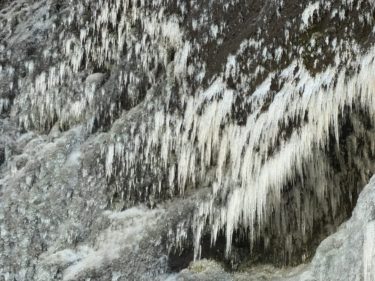
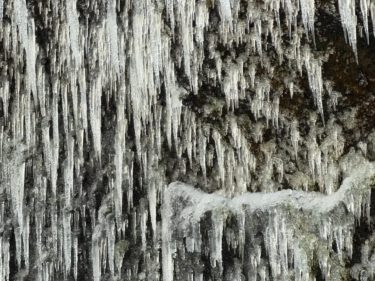
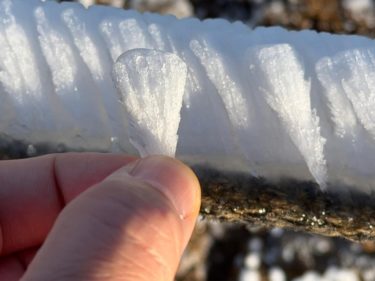
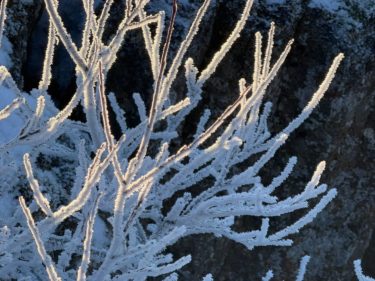
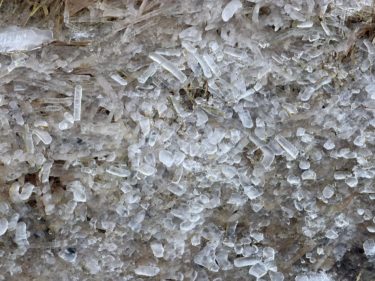
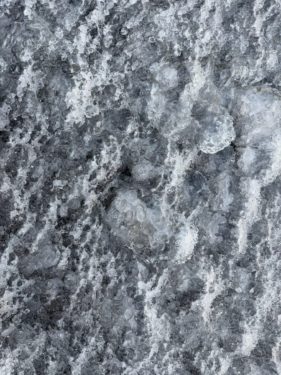
The world at -10 degrees
アイスランドは、地球の内部が地表にもっとも近い場所のひとつです。
国土は、大西洋中央海嶺の真上。
さらにその下にはマントルプルーム(ホットスポット)が存在し、プレート拡大と上昇流が同時に進行しています。
つまり──「裂け目」と「噴き上げ」が重なる地質学的特異点なのです。
北米プレートとユーラシアプレートが年間約2cm離れるのですが、その隙間をマグマが上昇し、圧力が抜けると裂け目噴火が起こるのです。
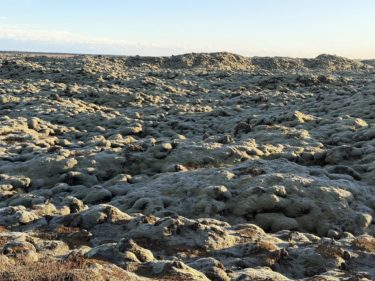
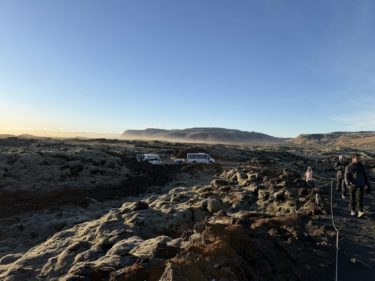
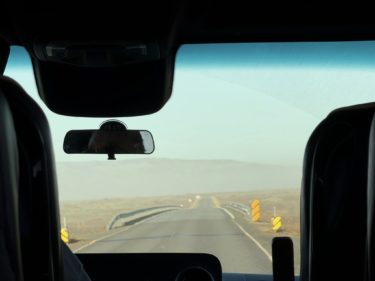
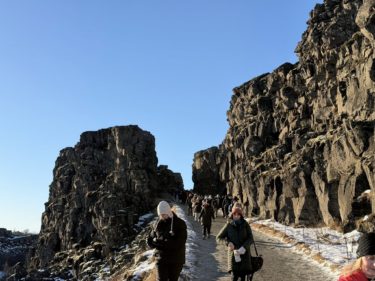
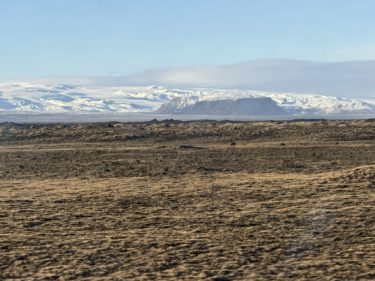
Iceland is one of the places on Earth where the planet’s interior lies closest to the surface. The country sits directly atop the Mid-Atlantic Ridge.
Beneath it, moreover, lies a mantle plume — a geological hotspot — where plate divergence and upwelling occur simultaneously.
In other words, it is a geological singularity where “rift” and “eruption” overlap.
The North American and Eurasian plates move apart at a rate of approximately two centimeters per year. Magma rises to fill the widening gap, and when pressure is released, fissure eruptions occur.
アイスランドの特徴的な鳥、パフィン(ニシツノメドリ)
北半球で進化したペンギンなのか?
残念ながら冬の今の時期は観られません。

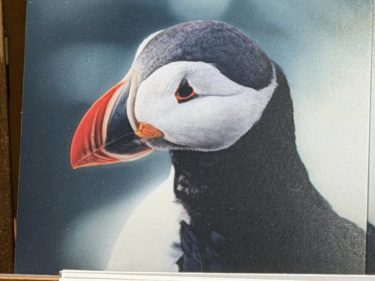

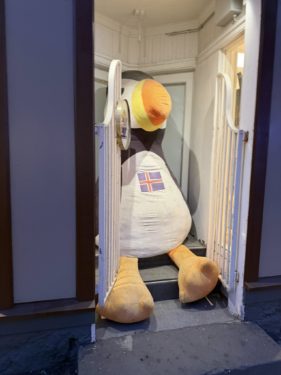
The puffin — specifically the Atlantic puffin — is one of Iceland’s most iconic birds. Some might wonder if it’s a penguin that evolved in the Northern Hemisphere. Unfortunately, they are not visible during the winter season.
アイスランド
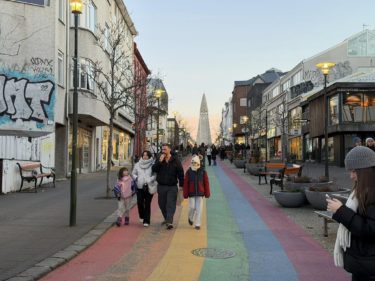
ロンドンからわずか3時間。北大西洋を越えると、空気の質が変わる。到着したのは、レイキャビク。
人口13万人、北緯64度。世界最北の首都である。
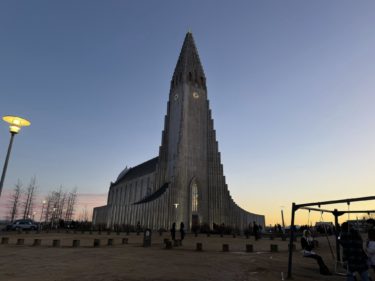
ルター派アイルランド国教会の玄武岩を模したハットルグリムス教会が風景に映える。
これまで100弱の国を訪ねてきたが、
「どこが一番印象に残っていますか」と聞かれると、僕はいつも少し考えたあとこう答えてきた。
——アイスランドは、少し特殊でした、と。
何が特殊なのか。
それは文化でも食事でもなく、「地球の内部が露出している」ことだ。
ユーラシアプレートと北米プレートの境界が走り、火山の噴火口が生々しく口を開け、溶岩台地がそのまま風景になっている。
2017年に初めて訪れたときは夏だった。
白夜の下、光はやわらかく、世界は穏やかだった。
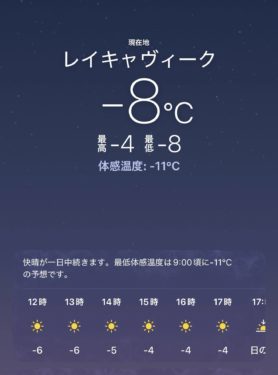
しかし今回は冬。気温マイナス8度。日照は9時半から17時半までのわずか8時間。光が短いということは、時間の密度が濃くなるということだ。
高緯度地域では、冬季の短日照が概日リズムに影響することが知られている。
とくにセロトニン活性の低下と季節性情動障害(SAD)との関連は古くから報告されている。
また、光刺激が視交叉上核を介してメラトニン分泌を調整することは、ヒトの時間生物学の基礎であり、この土地では、そのメカニズムを身体で理解することになる。
暗さは、内省を促す。さらに光が短いからこそ、思考は深くなる。
アイスランドは、単なる観光地ではない。地球の鼓動を感じる場所だ。
プレートの裂け目を歩き、凍てつく火口を覗き込むと、人間の時間軸がいかに短いかを思い知らされる。
我々は日々、分単位で予定を組み、秒単位で成果を求める。
だがここでは、時間の単位が「万年」になる。
それが、僕にとってのアイスランドである。
Screenshot

Iceland
Just three hours from London. Crossing the North Atlantic, the very quality of the air begins to change.
We arrived in Reykjavik — a city of 130,000 people at 64 degrees north latitude, the world’s northernmost capital. Hallgrímskirkja, designed to evoke the forms of basalt columns and belonging to the Evangelical Lutheran Church of Iceland, stands strikingly against the landscape.
I have visited nearly one hundred countries so far. When people ask me, “Which place left the strongest impression on you?” I usually pause for a moment before answering:
—Iceland was different. In a way, exceptional.
What makes it exceptional?
It is not the culture, nor the cuisine. It is the sense that “the interior of the Earth is laid bare.”
Here runs the boundary between the Eurasian and North American tectonic plates. Volcanic craters gape open, raw and exposed, and vast lava fields themselves become the landscape.
When I first visited in 2017, it was summer. Beneath the midnight sun, the light was gentle, and the world felt calm.
This time, however, it is winter. The temperature is minus eight degrees Celsius. Daylight lasts only eight hours — from 9:30 in the morning until 5:30 in the evening. When light is scarce, time becomes denser.
It is well known that in high-latitude regions, reduced daylight during winter affects circadian rhythms. In particular, the association between decreased serotonin activity and Seasonal Affective Disorder (SAD) has long been documented. Moreover, the regulation of melatonin secretion via light stimulation acting on the suprachiasmatic nucleus is fundamental to human chronobiology. In this land, one comes to understand that mechanism not intellectually, but physically.
Darkness invites introspection. And precisely because the light is brief, thought deepens.
Iceland is not merely a tourist destination. It is a place where one feels the pulse of the Earth. Walking along the rift between tectonic plates and peering into frozen craters, one is reminded of how short the human timescale truly is.
We organize our daily lives by the minute and demand results by the second.
Yet here, time is measured in tens of thousands of years.
That is what Iceland means to me.